
Calm vs Headspace: Which Meditation App is right for you? (2025)
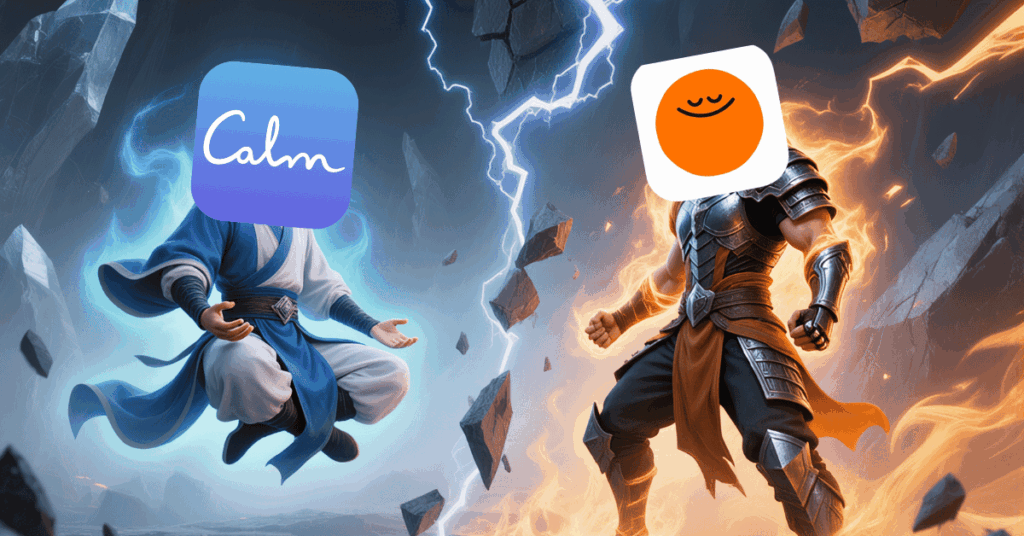
Whether you’re trying to sleep better, reduce anxiety, or simply add more mindfulness into your routine, chances are you’ve come across Calm and Headspace.
These two giants have dominated the wellness space for years, and today, they’re still leading the pack.
But which one is the right fit for you?
While both apps share the same goal – helping you find peace of mind – they go about it in very different ways.
This guide will walk you through their strengths, weaknesses, and what kind of person each app is best suited for.
Calm vs Headspace: Who Should Get What?
When choosing between Calm and Headspace, it helps to think about what you value most in a wellness app.
Choose Calm if…
You love soothing bedtime rituals, enjoy music and soundscapes, and want an app that feels like a sanctuary.
Calm is ideal for people who struggle with falling asleep, want to use meditation as a way to relax, or prefer less structure and more freedom to explore.
It’s also a great choice if you’re drawn to storytelling—its library of Sleep Stories narrated by celebrities has become one of its most famous features.
Choose Headspace if…
You’re looking for a structured, motivational guide to meditation. Headspace takes more of a “coaching” approach, making it perfect for beginners who want to build a consistent habit.
Its animated videos and clear, step-by-step sessions make meditation feel simple and approachable.
If you’re someone who needs encouragement, routine, and a positive, upbeat energy, Headspace is likely a better match.
Calm vs. Headspace Comparison
| Feature | Calm | Headspace |
|---|---|---|
| Focus | Sleep, relaxation, stress relief | Meditation training, habit-building, mindfulness |
| Sleep Stories | Extensive library with celebrity narrators like Matthew McConaughey, Idris Elba, and Harry Styles | Limited—mostly meditation-based sleep content |
| Meditation Style | Free-form, soothing, less structured | Course-based, step-by-step, instructional |
| Music & Sounds | Wide range of soundscapes, ambient tracks, and nature sounds | Focus playlists and curated tracks |
| Design & Feel | Dark, calming, immersive with nature visuals | Bright, playful, cartoon animations |
| Beginner-Friendly | Accessible, but less educational for complete beginners | Highly beginner-focused, with clear guidance |
| Extra Features | Daily Calm sessions, breathing exercises, relaxation tools, Calm Body | Workouts, mindfulness reminders, productivity tips |
| Price (2025) | About $70/year | About $70/year |
| Best For | People struggling with sleep, stress, or needing calm escapes | People wanting structure, discipline, and daily mindfulness training |
Calm and Headspace Similarities
Despite their different personalities, Calm and Headspace do share a lot in common.
- Both are designed for all levels.
- Both include sleep-focused tools.
- Both focus on reducing stress and anxiety.
- Both update regularly.
- Both have a similar price point.
(In short, both apps are high-quality, polished, and effective…it’s really about which approach works best for your personality)
Personal Experience with Headspace

Personally, I found this science-driven approach motivating – it felt like I wasn’t just “relaxing,” I was training my brain in a method proven to reduce stress and increase focus. Knowing there was real research behind the sessions gave me more confidence to keep going.
Headspace is for Building Habits
One of the most impressive aspects of Headspace is how it helps you form a daily routine. The app sends gentle reminders, offers progress tracking, and breaks meditation into manageable steps. Over time, I noticed that I wasn’t just meditating when I “needed it,” but because it had become a regular part of my life. For anyone struggling with consistency, this feature is a hidden strength.
Critiquing the Sleep Mediation Content
Headspace has improved its sleep offerings with “Sleepcasts” and wind-down meditations, but compared to Calm, its library feels limited. They don’t have the same immersive quality or variety as Calm’s Sleep Stories.
Personal Experience with Calm

To me, calm feels like stepping into a virtual spa. The soothing visuals, ambient sounds, and soft narration instantly lower the intensity of your day. It doesn’t feel like you’re “learning meditation” as much as you’re being transported into a calmer state. Personally, I found myself reaching for Calm when I wanted to unwind quickly, especially after stressful workdays or late at night.
Hidden Features Most Users Don’t Know About
Beyond Sleep Stories and meditations, Calm includes a variety of hidden gems. The Calm Body section offers stretching and mindful movement routines. The app also has breathing exercises with visual animations that guide your rhythm.
Critiquing the Celebrity Factor
One of Calm’s most famous features is its celebrity Sleep Stories, with big names like Matthew McConaughey and Idris Elba. In my experience, the novelty does wear off after a while, but the voices are genuinely soothing, and for some people, they may make the difference between staying awake and drifting off. That said, I sometimes found myself distracted by the celebrity factor rather than fully relaxing. It’s a unique selling point, but not necessarily a game-changer.
Personally, I’d argue that while celebrity narrations are fun, they don’t carry the same long-term value as sessions led by expert meditation teachers or sleep specialists. Learning from someone with years of experience feels more authentic and educational, whereas celebrity voices often feel like a temporary draw.
Conclusion: Which is better, Headspace or Calm?
- Go with Headspace if you want to learn meditation from scratch, need motivation, and prefer a structured path.
- Go with Calm if you value relaxation, sleep, and an immersive experience that feels like a retreat in your pocket.
Both apps are excellent at what they do. Your choice comes down to your personality and goals. If you want a teacher, pick Headspace. If you want an escape, pick Calm.
Either way, you’re making an investment in your mental health—and that’s always the right decision.
FAQs
Which app is better for beginners?
If you’re new to meditation, Headspace is often considered the better starting point. The app uses a very structured, step-by-step approach, guiding you from short, simple sessions to longer practices as your confidence grows.
Its animated videos and cheerful tone make mindfulness less intimidating, almost like having a friendly teacher by your side.
Calm, on the other hand, is more free-flowing and soothing. It’s fantastic for relaxation, but beginners may find less instruction on “how” to meditate effectively.
Are Calm and Headspace free?
Both Calm and Headspace offer a small selection of free content, but to unlock their full libraries you’ll need a subscription. Free versions give you a taste—like a few guided meditations or sleep stories—but most users find them too limited for regular practice.
As of today, each app costs around $70 per year, with monthly options available.
Occasionally, Calm offers lifetime memberships. If you’re unsure, both apps let you try their premium content with a free trial before committing.